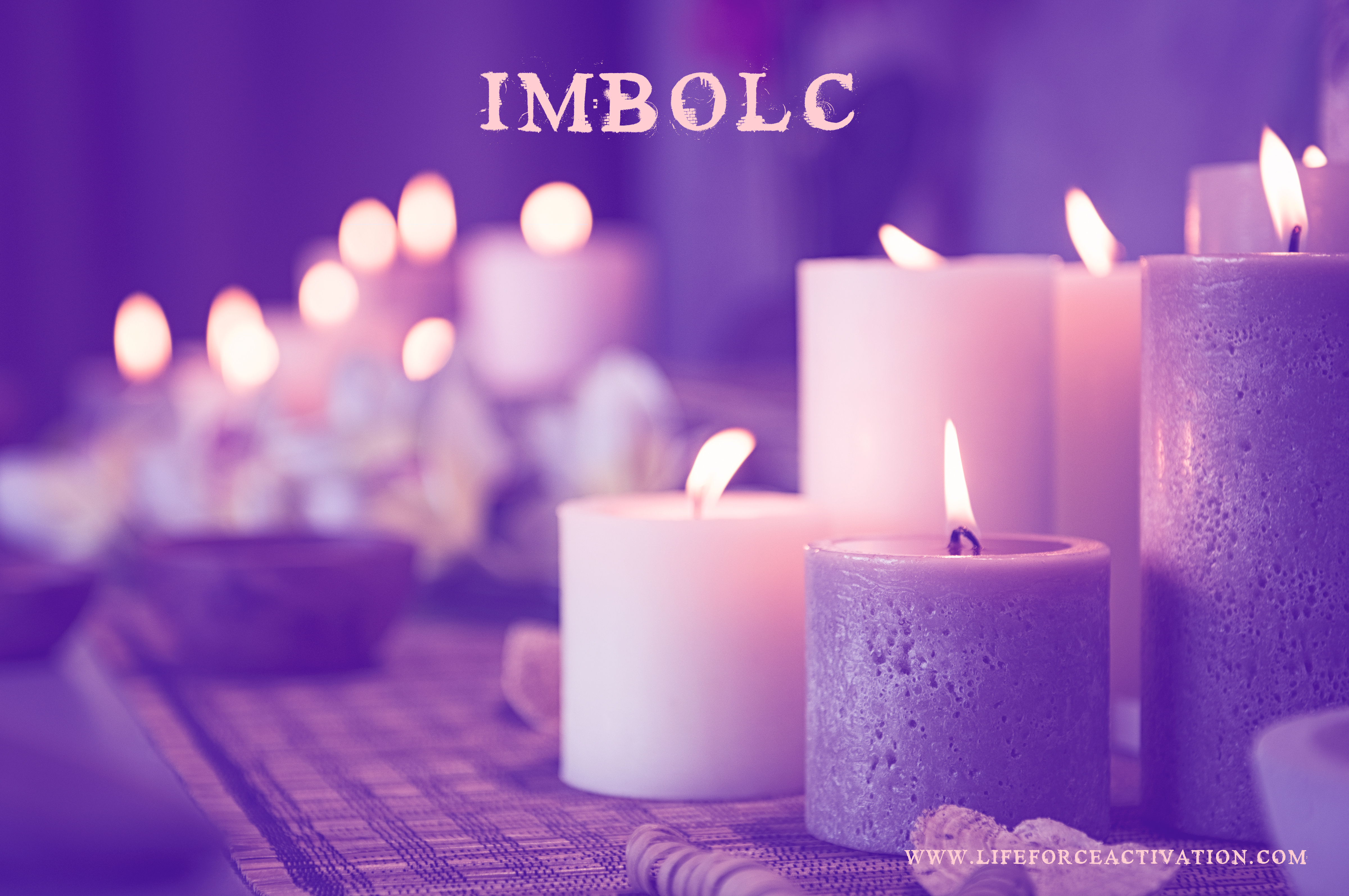
Imbolc “IM-bulk” is a pagan holiday with many names. One of the Sabbats, it is an ancient festival generally celebrated on January 31, February 1, or February 2. It is also known as Candlemas, Brighid (“breed/bride”), and Oimelc (“EE-mulk”) which means ewe’s milk. It is the time of year halfway between December 21, the Winter Solstice (Yule), and March 21, the spring Equinox (Ostara). Imbolc is in the middle of winter but is the optimism of spring. The Egyptians and the Romans also celebrated this time, as it was the earth goddess giving birth to the Sun God. The time to ready seeds for the planting of food. A time of planning weddings, love, and romance. Days are getting longer and hope is renewed. The celebration is to light candles. The night of white candles turns the darkness into light.
Imbolc “IM-bulk” is a pagan holiday with many names. One of the Sabbats, it is an ancient festival generally celebrated on January 31, February 1, or February 2. It is also known as Candlemas, Brighid (“breed/bride”), and Oimelc (“EE-mulk”) which means ewe’s milk. It is the time of year halfway between December 21, the winter Solstice (Yule) and March 21, the spring Equinox (Ostara). Imbolc is in the middle of winter, but is the optimism of spring.The Egyptians and the Romans also celebrated this time, as it was the earth goddess giving birth to the Sun God. The time to ready seeds for the planting of food. A time of planning weddings, love, and romance. Days are getting longer and hope is renewed. The celebration is to light candles. Night of white candles turns the darkness into light.
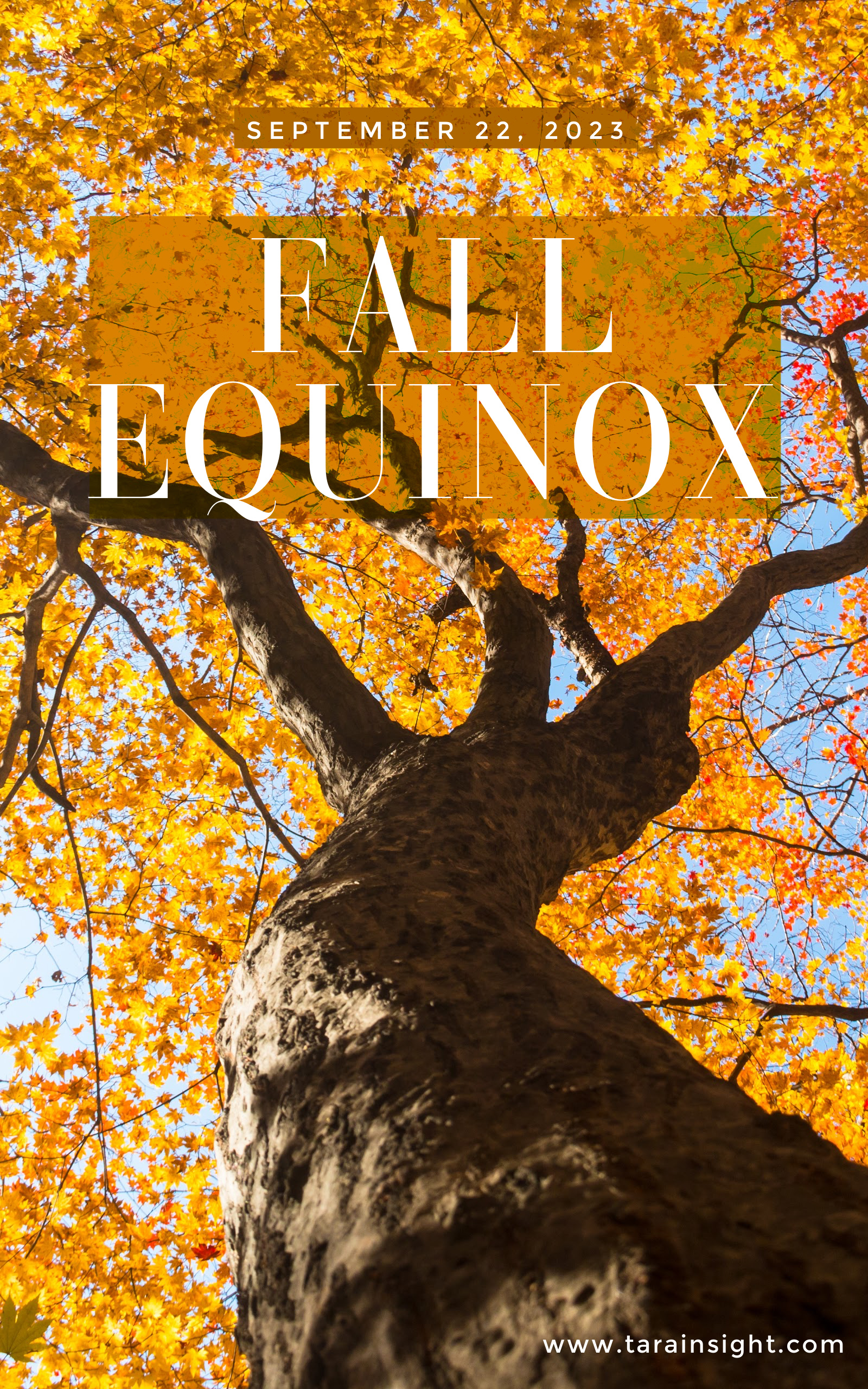
Autumn Equinox, 2nd Harvest, September 20/21/22 September 22, 2023 (Almanac) Mabon, (pronounced MAY-bun, MAY-bone, MAH-boon, or MAH-bawn) is the Autumn Equinox. The Autumn Equinox divides the day and night equally, and we all take a moment to pay our respects to the impending dark. We also give thanks to the waning sunlight, as we store our harvest of this year’s crops. The Druids call this celebration, Mea’n Fo’mhair, and honor the The Green Man, the God of the Forest, by offering libations to trees.
Offerings of ciders, wines, herbs and fertilizer are appropriate at this time. Wiccans celebrate the aging Goddess as she passes from Mother to Crone, and her consort the God as he prepares for death and re-birth. Various other names for this Lesser Wiccan Sabbat are The Second Harvest Festival, Wine Harvest, Feast of Avalon, Equinozio di Autunno (Strega), Alben Elfed (Caledonii), or Cornucopia.
The Teutonic name, Winter Finding, spans a period of time from the Sabbat to Oct. 15th, Winter’s Night, which is the Norse New Year. At this festival it is appropriate to wear all of your finery and dine and celebrate in a lavish setting. It is the drawing to and of family as we prepare for the winding down of the year at Samhain. It is a time to finish old business as we ready for a period of rest, relaxation, and reflection. Symbolism of Mabon: – Second Harvest, the Mysteries, Equality and Balance.
Symbols of Mabon: – Wine, gourds, pine cones, acorns, grains, corn, apples, pomegranates, vines such as ivy, dried seeds, and horns of plenty.
Foods of Mabon: – Breads, nuts, apples, pomegranates, and vegetables such as potatoes, carrots, and onions.
Incense of Mabon: – Autumn Blend-benzoin, myrrh, and sage.
Colors of Mabon: – Red, orange, russet, maroon, brown, and gold.
Stones of Mabon: – Sapphire, lapis lazuli, and yellow agates.
Activities of Mabon: – Making wine, gathering dried herbs, plants, seeds and seed pods, walking in the woods, scattering offerings in harvested fields, offering a ritual pouring to loved ones —Flowers and trees, adorning burial sites with leaves, acorns, and pine cones to honor those who have passed over.
Spellworkings of Mabon: – Protection, prosperity, security, and self-confidence. Also those of harmony and balance.
Deities of Mabon: – Goddesses-Modron, Morgan, Epona, Persephone, Pamona and the Muses. Gods-Mabon, Thoth, Thor, Hermes, and The Green Man. Mabon is considered a time of the Mysteries. It is a time to honor Aging Deities and the Spirit World. Considered a time of balance, it is when we stop and relax and enjoy the fruits of our personal harvests, whether they be from toiling in our gardens, working at our jobs, raising our families, or just coping with the hussle-bussle of everyday life. May your Mabon be memorable, and your hearts and spirits be filled to overflowing!
Recipes: Salad Fixings—-Lettuce: any kind Add:
Sliced radishes
Shelled edamame
Cucumbers
Onions
Mushroom
Tomatoes
Peppers
Sliced fruit, like pears, apples, and mangoes
Berries, blueberries, raspberries, strawberries
Grilled salmon
Roasted garlic, Wild rice, quinoa, or other whole grain
Beans, like pinto, garbanzo
White beans
Celery
Italian Parsley
Wheat berries
Fresh basil (especially nice with a deep balsamic vinegar)
Nonfat ricotta cheese (a little goes a long way)
Scallions
cabbage
Grilled chicken breast
tofu
Roasted beets
bell peppers, thinly sliced
Dill
Any Dressing of your choice. Autumn Apple Cider Chicken or Vegan Soup
Chicken (optional) cooked using pam spray, browned in cast iron skillet (preferably)
cut into cubes for soup pot
In big soup pot or crockpot
3 cups apple cider or juice
1 carton reduced-sodium chicken broth
2 tablespoons cider vinegar
1-1/2 teaspoons himalayan salt (optional)
1/4 to 1/2 teaspoon dried thyme
1/4 teaspoon pepper
3 medium potatoes, peeled and cubed
4 medium carrots, cut into pieces
3 celery ribs, cut into pieces
2 medium onions, cut
Sweet Potatoes & Ground Turkey or Vegan Casserole
5 sweet potatoes or yams, cooked-peeled-cubed
Saute’
1 or more pounds ground turkey (optional)
1 medium onion, chopped
5 Green Onions, chopped
3 garlic cloves, minced
1/4 cup low sodium tomato paste
1 cup low sodium chicken broth
2 teaspoons smoked paprika
1/2 teaspoon Himalayan salt
1/4 teaspoon peppe
Add the sweet potatoes or yams, cooked-peeled-cubed
Dash crushed red pepper flakes (optional)
Minced fresh mint (optional)
South of the Border Casserole
4 cups uncooked pasta shapes (whole wheat/ gluten-free)
4 cups vegetable broth or water
1 can (15 oz) black beans, rinsed and drained
1 can (14-1/2 oz) diced low sodium tomatoes, undrained
1 yellow pepper, chopped
1 red pepper, chopped
1 cup fresh or frozen corn, thawed
1 can (10 oz) enchilada sauce
Add –
1/2 cup shredded cheese
Combine in pot, bring pasta and ingredients to al dente and sauce has thickened slightly, 12-15 minutes. Add cheese, melt in the oven and serve Apple-Cranberry Pie
Dough for 2 – pies with lattice tops
2-1/4 cups sugar or Monk sugar (same evalent)
1/3 cup whole wheat flour or rice flour
pie filling –
tart apples, peeled-sliced (about 8 cups)
3 cups fresh or frozen cranberries
2 tsp grated orange zest
1-1/2 tsp nutmeg
1-1/2 tsp cinnamon
6 cups frozen or fresh raspberries
Bake 375* 45-50 minutes Hot apple cider — In a medium-size bowl mix sugar or honey, cinnamon, cloves, allspice, mace, and nutmeg. Heat the apple cider until hot, add 1 to 2 teaspoons to the apple cider Repost Enquire: Sessions & Seminars +1-424-781-7103 Taraappointment@gmail.com
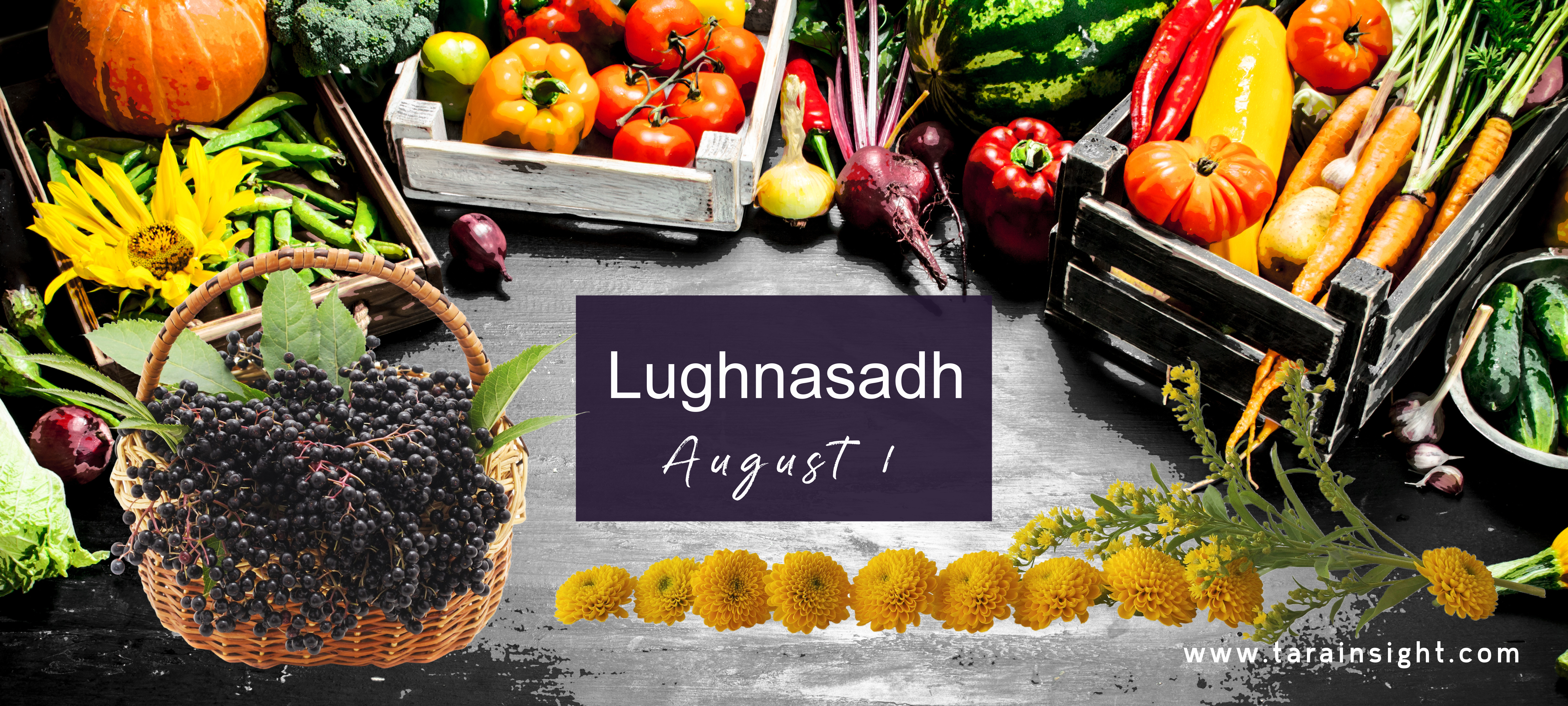
Lughnasadh is the harvest and reaping great rewards, it is also a day of feasting. Lugh, is the Celtic God of Light and this Pagan Sabbat is the midpoint between the Summer Solstice and the Autumn Equinox. Some bake a figure of the “corn god” in bread, and then symbolically sacrifice and eat it. The tradition of eating and sharing the first fruits, vegetables and grains of the season started with Lughnasadh in Ireland. In England, it became the medieval festival known as Lammas day. In keeping with the Lughnasadh tradition, the first grains were offered to the gods, the form of a baked loaf of bread. The loaf was blessed and cut into four pieces, with one piece placed in each corner of the home for good luck.
The non-sporting competitions in festivals were singing, dancing, poetry-reading and storytelling. Trial marriages were performed, couples would join hands through a hole in a slab of wood. The experimental marriage would last one year and a day, after which it was annulled without question.
Celtic festivals like Lughnasadh was an opportune time to make political, social and economic deals. All weapons and rivalry’s were laid down so the neighbors could get to know one another. Chieftains held important meetings, farmers would make trade agreements about crops or cattle for the coming season.
A common tradition of Celtic festivals were to visit holy wells. People would give offerings to the wells and decorate them with flowers and garlands, they could leave coins or clooties (cloth). They would walk around the well in a sun-wise direction praying to the Gods.
Preheat oven to 375°. In a large skillet, heat oil over medium-high heat. Add broccoli and onion; cook and stir until broccoli is crisp-tender. Stir in greens and garlic; cook and stir 4-5 minutes longer or until greens are wilted. Unroll pastry sheet into a 9-in. pie plate; flute edge. Fill with broccoli mixture. In a small bowl, whisk eggs, milk, rosemary, salt and pepper. Stir in 1/4 cup cheddar cheese and 1/4 cup Swiss cheese; pour over vegetables. Sprinkle with remaining cheeses. Bake 30-35 minutes or until a knife inserted in the center comes out clean. Let stand 15 minutes before cutting.
In a large saucepan, saute onion in butter until tender. Stir in the flour, salt and pepper until blended. Gradually stir in broth; bring to a boil. Boil and stir for 2 minutes or until thickened and bubbly. Stir in the cream, chicken, rice, mushrooms, pimientos and parsley; heat through. Transfer to a greased 2-1/2-qt. baking dish. Sprinkle with almonds. Bake, uncovered, at 350° for 30-35 minutes or until bubbly.
White Spaghetti Casserole
Ingredients
4 ounces spaghetti, broken into 2-inch pieces
1 large egg
1 cup sour cream
1/4 cup grated Parmesan cheese
1/4 teaspoon garlic powder
2 cups shredded Monterey Jack cheese
1 package (10 ounces) frozen chopped spinach, thawed and drained
1 can (2.8 ounces) french-fried onions, divided
Directions
Cook spaghetti according to package directions. Meanwhile, in a medium bowl, beat egg. Add sour cream, Parmesan cheese and garlic powder. Drain spaghetti; add to egg mixture with Monterey Jack cheese, spinach and half of the onions. Pour into a greased 2-qt. baking dish. Cover and bake at 350° for 30 minutes or until heated though. Top with remaining onions; return to the oven for 5 minutes or until onions are golden brown.
Pasta Pizza Skillet Casserole
Ingredients
8 ounces uncooked angel hair pasta
4 teaspoons olive oil, divided
2 cups sliced fresh mushrooms
1/2 cup chopped green pepper
1/4 cup chopped onion
1 can (15 ounces) pizza sauce
1/4 cup sliced ripe olives
1/2 cup shredded part-skim mozzarella cheese
1/4 teaspoon Italian seasoning
Directions
Preheat oven to 400°. Cook pasta according to package directions; drain. In a large cast-iron or other ovenproof skillet, heat 1 teaspoon oil over medium heat. Add mushrooms, green pepper and onion; saute until tender. Remove with a slotted spoon and keep warm. Increase heat to medium-high. In same skillet, heat remaining oil. Spread pasta evenly in skillet to form a crust. Cook until lightly browned, 5-7 minutes. Turn crust onto a large plate. Reduce heat to medium; slide crust back into skillet. Top with pizza sauce, sauteed vegetables and olives; sprinkle with cheese and Italian seasoning. Bake until cheese is melted, 10-12 minutes.
Layered Fruit Salad
Ingredients
1/2 teaspoon grated orange zest
2/3 cup orange juice
1/2 teaspoon grated lemon zest
1/3 cup lemon juice
1/3 cup packed light brown sugar
1 cinnamon stick
FRUIT SALAD:
2 cups cubed fresh pineapple
2 cups sliced fresh strawberries
2 medium kiwifruit, peeled and sliced
3 medium bananas, sliced
2 medium oranges, peeled and sectioned
1 medium red grapefruit, peeled and sectioned
1 cup seedless red grapes
Directions
Place first 6 ingredients in a saucepan; bring to a boil. Reduce heat; simmer, uncovered, 5 minutes. Cool completely. Remove cinnamon stick. Layer fruit in a large glass bowl. Pour juice mixture over top. Refrigerate, covered, several hours.
Berry Pie
Ingredients:
5 cups fresh blueberries
1 tablespoon lemon juice
1 (15 ounce) package refrigerated pie crusts
1 cup sugar
½ cup all-purpose flour
1/8 teaspoon salt
½ teaspoon ground cinnamon
2 tablespoons butter or margarine
1 large egg, lightly beaten
1 teaspoon sugar
Method:
Sprinkle berries with lemon juice; set aside.
Fit half of pastry in a 9-inch pie plate according to package directions.
Combine 1 cup sugar and next 3 ingredients; add to berries, stirring well.
Pour into pastry shell, and dot with butter.
Unfold remaining pastry on a lightly floured surface; roll gently with rolling pin to remove creases in pastry.
Place pastry over filling; seal and crimp edges.
Cut slits in top of crust to allow steam to escape.
Brush top of pastry with beaten egg, and sprinkle with 1 teaspoon sugar
Bake at 400° for 35 minutes or until golden.
Cover edges with aluminum foil to prevent over browning, if necessary.
Serve with vanilla ice cream, if desired.
Lughnasadh or Lammas is a harvest festival. In other languages:
Irish – Lá Lúnasa
Welsh – Gwyl Awst (August Feast)
English – Apple Day (drinking Apple juice, Apple cider, or Mead
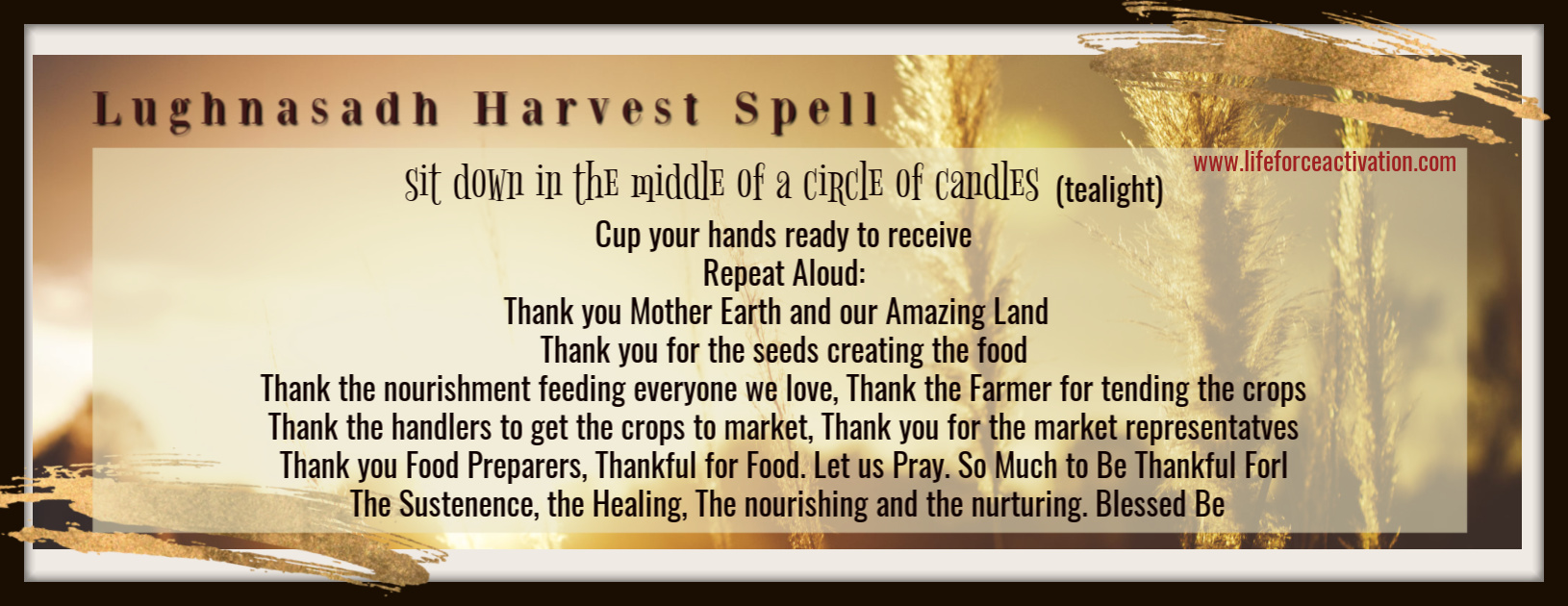
Lughnasadh Harvest Spell
sit down in the middle of a circle of candles (tealight)
Cup your hands ready to receive
Repeat Aloud:
Thank you Mother Earth and our Amazing Land
Thank you for the seeds creating the food
Thank the nourishment feeding everyone we love, Thank the Farmer for tending the crops
Thank the handlers to get the crops to market, Thank you for the market representatves
Thank you Food Preparers, Thankful for Food. Let us Pray. So Much to Be Thankful For
The Sustenence, the Healing, The nourishing and the nurturing. Blessed Be
“In the world’s audience hall, the simple blade of grass sits on the same carpet with the sunbeams, and the stars of midnight” – Rabindranath Tagore (Indian Poet, Playwright and Essayist, Won the Nobel Prize for Literature in 1913, 1861-1941)
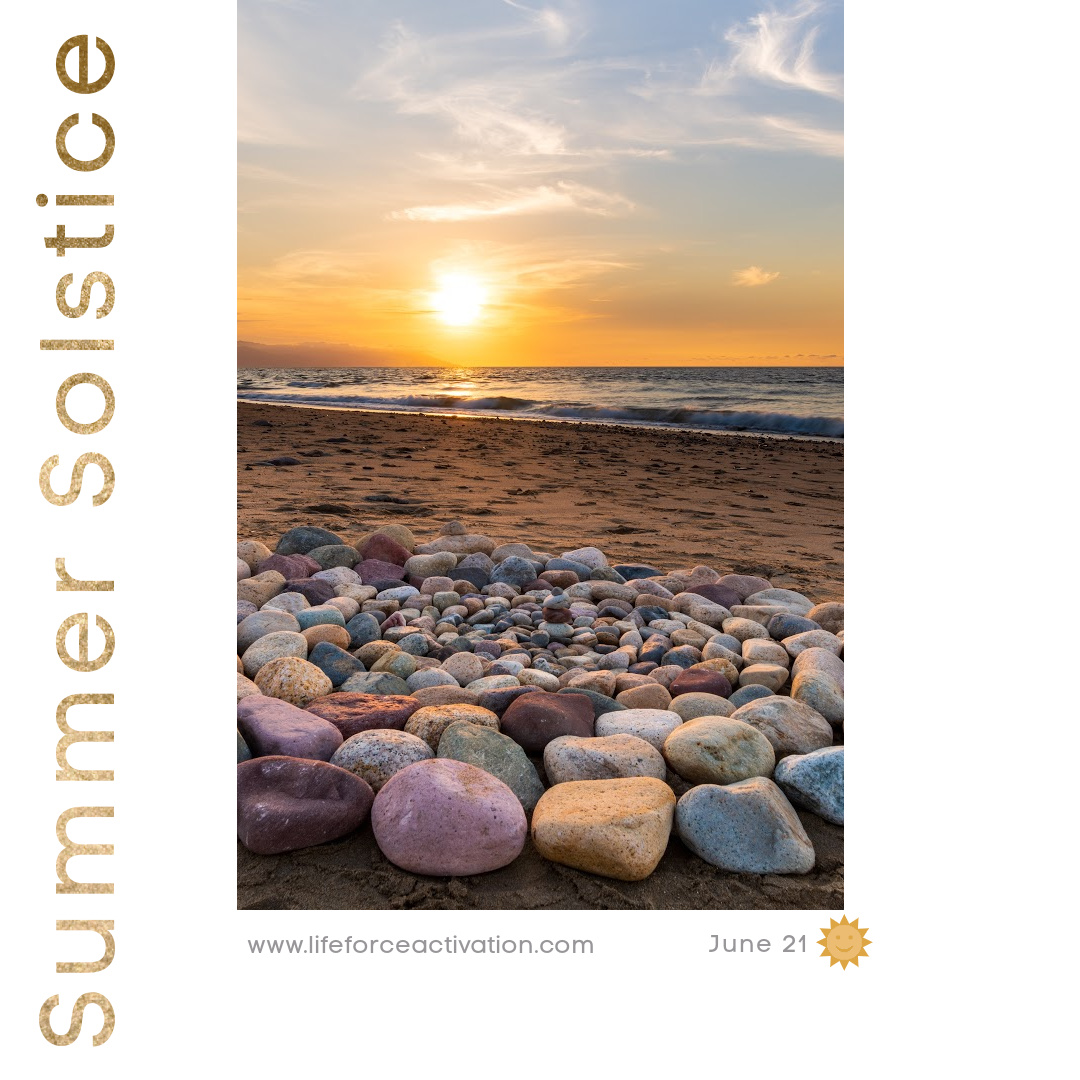
Summer Solstice marks the end of the waxing year. And the rays of the sun directly strike one of the two tropical latitude lines. June 21 marks the beginning of summer in the northern hemisphere, as winter begins in the southern hemisphere. On this day, the earth’s “circle of luminescence” will be from the Arctic Circle to the Antarctic Circle. The equator receives twelve hours of daylight, as there will be 24 hours of daylight at the North Pole and 24 hours of darkness at the South Pole.
All over the world people honor this day as an important reminder of the apex of light and to cast away evil and their problems. Northern Hemisphere inhabitants use June 21 as the day of celebration, but the splendor of light lasts from new moon to full moon.
Worshipping the Sun’s great power, all cultures celebrate in some way. Celts and Slavs dance around bonfires while Chinese marked the day honoring Li, the Goddess of Light. The celebrants of modern and ancient ceremonies tune in that life comes from the sun. It is life giving and life supporting. We’ve recently had the good fortune to have electricity, greenhouses, and shipment suppliers. How will you celebrate? We all may not get a chance to dance around the bonfire but it’s a time to bask in the light, sit in the sun, cast our worries away and awaken to our lives.
Recipes:
Summer Pasta Salad
2 cucumbers chopped
2 big tomatoes chopped
1/2 red onion chopped
5 tbsp lime juice
4 tbsp cilantro (coriander)
2+ tbsp honey
salt/pepper
2 cups shell macaroni (optional: gluten free)
Directions
Cook pasta, drain.
Combine lime juice, cilantro, honey, salt & pepper in small bowl.
In a large bowl, combine pasta vegetables. Toss gently in lime dressing.
Dill Pickle Pasta Salad
1 (16 oz) pkg large shell pasta (optional: gluten free), ½ c. dill pickle juice plus 4 tbsp. pickle juice (divided), 2/3 c. mayonnaise (optional: veganaise), 1/3 c. sour cream (optional: plain yogurt), Salt & Pepper to taste, ¾ c. sliced or diced dill pickles, ¼ c. onion, 2 tbsp. minced fresh or dry dill spice, (optional: 2/3 c. diced or grated cheddar or almond cheese)
Directions: Cook pasta to pkg specifications. Rinse & drain cold water, add ½ c dill pickle juice, set aside, In another bowl, add 4 tbsp dill pickle juice , mayo, sour cream, salt & pepper (optional: dash of cayenne), Drain off excess pickle juice from pasta and mix with dressing, chill one hour and serve.
Spinach-Strawberry Salad
Yield: 4 to 6 servings 1/2 cup white sugar 2 tablespoons sesame seeds 1 tablespoon poppy seeds 1-1/2 teaspoons minced onion 1/4 teaspoon Worcestershire sauce 1/4 teaspoon paprika 1/2 cup vegetable oil 1/4 cup cider vinegar 1 bag (10 ounces) fresh spinach 1 pint strawberries, sliced thin In a blender, combine the sugar, sesame seeds, poppy seeds, onion, Worcestershire sauce, paprika, oil, and vinegar. Blend well. If the dressing seems thick, add a few drops of water.
Remove the stems from the spinach and tear the leaves into bite-size pieces. Arrange them on individual salad plates or in a salad bowl. Arrange the strawberries on top. Drizzle the dressing over the strawberries and serve.
Bonnie Brae Strawberry Pie
A mixture of cooked and fresh berries helped make this pie a family favorite.
1 quart strawberries or 1 large package frozen strawberries, thawed and drained 3/4 cup water 4 tablespoons cornstarch 1 cup sugar 1/4 cup water 1 tablespoon lemon juice 1 cup sliced berries, fresh or frozen, thawed and drained whipped cream whole berries for garnish Combine strawberries and water in saucepan. Cook until just softened, about 4 or 5 minutes. (Let frozen berries thaw; heat but don’t cook them.) Mix together cornstarch, sugar, and water until smooth; add to hot berries. Cook over medium heat until clear. Add lemon juice; immediately remove from heat and let cool. Place sliced berries in cooked pie shell. To assemble pie, pour cooked mixture over berries, top with whipped cream, and garnish with whole berries.
Old-Fashioned Buttermilk Wedding Cake
Yield: Makes 12 to 16 servings.
1 cup (2 sticks) butter or margarine, softened 3 cups sugar 4 cups cake flour 1 teaspoon baking soda 2 teaspoons baking powder 1/4 teaspoon salt 2 cups buttermilk 1 teaspoon vanilla extract 1/2 teaspoon butter flavoring 1/2 teaspoon almond extract 6 egg whites Preheat over to 350° F. Grease and flour three 9-inch round cake pans. In a large mixing bowl, cream the butter and sugar until fluffy. Add flour, baking soda, baking powder, and salt. Pour in buttermilk and begin mixing slowly. Continue to mix until well blended. Add flavorings and stir. In another bowl, beat egg whites until stiff. Fold the egg whites into the cake batter. Divide the batter evenly among the prepared pans. Bake for 20 minutes at 350° F, then lower heat to 300°F and bake for about 25 minutes longer, until a toothpick inserted near the center comes out clean. Remove cakes from oven and cool on racks. After 10 minutes, remove from pans and continue cooling on racks.
Cream Cheese Frosting 8 ounces cream cheese, softened 3 cups confectioners’ sugar 2 teaspoons vanilla extract No wedding needed to have this cake
The Druids celebrated with “The Wedding of Heaven and Earth”.
Two people represent Mother Earth and the Sun King. Create a Bonfire, dancers adorned in garlands and flowers, and young men jumping through the tall flames. A time of cleansing and renewal. The participants playing Mother Earth and the Sun King go to each participant, and speak to each person as though planting seeds of growth, imparting words of love, wisdom, thankfulness and prosperity.
Candle or Bonfire Ritual
With a candle or your bonfire – Give blessings in the 4 directions. Cast a blessing for yourself, a blessing for the harvest, a blessing for your loved ones, and a blessing for the earth. (make this blessing 3-5 sentences long for each subject) A Call to Love
Single women are to sleep with 4 flowers under their pillow Flowers:
Flowers blooming in your area, also daisies, roses, lilyof the valley, calendulas, marigolds
Decorations:
daisy chains, lavender wreaths, rosemary garlands Head wreath
Circle base, thin gauge wire, or vines and tie or wire on flowers of your choice Symbols:
Fire to celebrate the power of the sun, Sun Wheels, Medicine Wheels, Stone Circles, Candle Circles, Mother Goddess, Ripening fruits, Sun Dials, Feathers, and Swords/Blades. Candles:
Green & Blue representing the earth White representing God light
the Sabbats, it is an ancient festival generally celebrated on January 31, February 1, or February 2. It is also known as Candlemas, Brighid (“breed/bride”), and Oimelc (“EE-mulk”) which means ewe’s milk. It is the time of year halfway between December 21, the winter Solstice (Yule) and March 21, the spring Equinox (Ostara). Imbolc is in the middle of winter, but is the optimism of spring.The Egyptians and the Romans also celebrated this time, as it was the earth goddess giving birth to the Sun God. The time to ready seeds for the planting of food. A time of planning weddings, love, and romance. Days are getting longer and hope is renewed. The celebration is to light candles. Night of white candles turns the darkness into light.
Restful Mind
Meditation
Hot soup
Hot tea
Curling up with a good book
Writing poetry
A nap
Breathing gently
Hot bath
soothing music
Guided imagery
Quiet & Comfortable space
Be present – all thoughts of past & future aside
This is a time to restore your balance and gain your equilibrium. Learning how to unwind. We must know when to de-stress. Our bodies can’t help us unless we are fine tuning our consciousness, this is self-care. The cycles are a roadmap.
rewards, it is also a day of feasting. Lugh, is the Celtic God of Light and this Pagan Sabbat is the midpoint between the Summer Solstice and the Autumn Equinox. Some bake a figure of the “corn god” in bread, and then symbolically sacrifice and eat it. The tradition of eating and sharing the first fruits, vegetables and grains of the season started with Lughnasadh in Ireland. In England, it became the medieval festival known as Lammas day. In keeping with the Lughnasadh tradition, the first grains were offered to the gods, the form of a baked loaf of bread. The loaf was blessed and cut into four pieces, with one piece placed in each corner of the home for good luck.
The non-sporting competitions in festivals were singing, dancing, poetry-reading and storytelling. Trial marriages were performed, couples would join hands through a hole in a slab of wood. The experimental marriage would last one year and a day, after which it was annulled without question.
Celtic festivals like Lughnasadh was an opportune time to make political, social and economic deals. All weapons and rivalry’s were laid down so the neighbors could get to know one another. Chieftains held important meetings, farmers would make trade agreements about crops or cattle for the coming season.
A common tradition of Celtic festivals were to visit holy wells. People would give offerings to the wells and decorate them with flowers and garlands, they could leave coins or clooties (cloth). They would walk around the well in a sun-wise direction praying to the Gods.
Preheat oven to 375°. In a large skillet, heat oil over medium-high heat. Add broccoli and onion; cook and stir until broccoli is crisp-tender. Stir in greens and garlic; cook and stir 4-5 minutes longer or until greens are wilted.
Unroll pastry sheet into a 9-in. pie plate; flute edge. Fill with
broccoli mixture. In a small bowl, whisk eggs, milk, rosemary, salt and pepper. Stir in 1/4 cup cheddar cheese and 1/4 cup Swiss cheese; pour over vegetables. Sprinkle with remaining cheeses.
Bake 30-35 minutes or until a knife inserted in the center comes out clean. Let stand 15 minutes before cutting.
In a large saucepan, saute onion in butter until tender. Stir in the flour, salt and pepper until blended. Gradually stir in broth; bring to a boil. Boil and stir for 2 minutes or until thickened and bubbly. Stir in the cream, chicken, rice, mushrooms, pimientos and parsley; heat through.
Transfer to a greased 2-1/2-qt. baking dish. Sprinkle with almonds. Bake, uncovered, at 350° for 30-35 minutes or until bubbly.
White Spaghetti Casserole
Ingredients
4 ounces spaghetti, broken into 2-inch pieces
1 large egg
1 cup sour cream
1/4 cup grated Parmesan cheese
1/4 teaspoon garlic powder
2 cups shredded Monterey Jack cheese
1 package (10 ounces) frozen chopped spinach, thawed and drained
1 can (2.8 ounces) french-fried onions, divided
Directions
Cook spaghetti according to package directions. Meanwhile, in a medium bowl, beat egg. Add sour cream, Parmesan cheese and garlic powder. Drain spaghetti; add to egg mixture with Monterey Jack cheese, spinach and half of the onions. Pour into a greased 2-qt. baking dish. Cover and bake at 350° for 30 minutes or until heated though. Top with remaining onions; return to the oven for 5 minutes or until onions are golden brown.
Pasta Pizza Skillet Casserole
Ingredients
8 ounces uncooked angel hair pasta
4 teaspoons olive oil, divided
2 cups sliced fresh mushrooms
1/2 cup chopped green pepper
1/4 cup chopped onion
1 can (15 ounces) pizza sauce
1/4 cup sliced ripe olives
1/2 cup shredded part-skim mozzarella cheese
1/4 teaspoon Italian seasoning
Directions
Preheat oven to 400°. Cook pasta according to package directions; drain.
In a large cast-iron or other ovenproof skillet, heat 1 teaspoon oil over medium heat. Add mushrooms, green pepper and onion; saute until tender. Remove with a slotted spoon and keep warm. Increase heat to medium-high. In same skillet, heat remaining oil. Spread pasta evenly in skillet to form a crust. Cook until lightly browned, 5-7 minutes.
Turn crust onto a large plate. Reduce heat to medium; slide crust back into skillet. Top with pizza sauce, sauteed vegetables and olives; sprinkle with cheese and Italian seasoning. Bake until cheese is melted, 10-12 minutes.
Layered Fruit Salad
Ingredients
1/2 teaspoon grated orange zest
2/3 cup orange juice
1/2 teaspoon grated lemon zest
1/3 cup lemon juice
1/3 cup packed light brown sugar
1 cinnamon stick
FRUIT SALAD:
2 cups cubed fresh pineapple
2 cups sliced fresh strawberries
2 medium kiwifruit, peeled and sliced
3 medium bananas, sliced
2 medium oranges, peeled and sectioned
1 medium red grapefruit, peeled and sectioned
1 cup seedless red grapes
Directions
Place first 6 ingredients in a saucepan; bring to a boil. Reduce heat; simmer, uncovered, 5 minutes. Cool completely. Remove cinnamon stick.
Layer fruit in a large glass bowl. Pour juice mixture over top. Refrigerate, covered, several hours.
Berry Pie
Ingredients:
5 cups fresh blueberries
1 tablespoon lemon juice
1 (15 ounce) package refrigerated pie crusts
1 cup sugar
½ cup all-purpose flour
1/8 teaspoon salt
½ teaspoon ground cinnamon
2 tablespoons butter or margarine
1 large egg, lightly beaten
1 teaspoon sugar
Method:
Sprinkle berries with lemon juice; set aside.
Fit half of pastry in a 9-inch pie plate according to package directions.
Combine 1 cup sugar and next 3 ingredients; add to berries, stirring well.
Pour into pastry shell, and dot with butter.
Unfold remaining pastry on a lightly floured surface; roll gently with rolling pin to remove creases in pastry.
Place pastry over filling; seal and crimp edges.
Cut slits in top of crust to allow steam to escape.
Brush top of pastry with beaten egg, and sprinkle with 1 teaspoon sugar
Bake at 400° for 35 minutes or until golden.
Cover edges with aluminum foil to prevent over browning, if necessary.
Serve with vanilla ice cream, if desired.
Lughnasadh or Lammas is a harvest festival. In other languages:
Irish – Lá Lúnasa
Welsh – Gwyl Awst (August Feast)
English – Apple Day (drinking Apple juice, Apple cider, or Mead
Lughnasadh Harvest Spell
sit down in the middle of a circle of candles (tealight)
Cup your hands ready to receive
Repeat Aloud:
Thank you Mother Earth and our Amazing Land
Thank you for the seeds creating the food
Thank the nourishment feeding everyone we love, Thank the Farmer for tending the crops
Thank the handlers to get the crops to market, Thank you for the market representatves
Thank you Food Preparers, Thankful for Food. Let us Pray. So Much to Be Thankful For
The Sustenence, the Healing, The nourishing and the nurturing. Blessed Be
Spring Equinox, Ostara, Eostre, Easter, Vernal Equinox
By Tara Sutphen
21st March Spring Equinox marks the mid-point of the Waxing Year, the nights and days are balanced once again; the time when Kore, (Persephone) was believed to have returned from the Underworld where she had ruled throughout the Winter. The spark of light, born at Winter Solstice has reached maturity, and from here onwards, the days progressively grow longer than the nights. Western culture proclaims this the first day of Spring.Older traditions called the Spring Equinox, Ostara; the time of the festivals of the Grecian Goddess, Eostre, and the Germanic Ostara, both fertility Goddesses of Dawn. These influenced the naming of the modern-day Easter Holiday. New greenery bursts forth from sleeping seeds in the countryside, as metaphorically, pagans also plant their own seeds for future goals, future projects and growth at this time.Decorated eggs, being symbols of fertility are symbolic of Ostara. In days gone, Europeans gave gifts of decorated eggs to new brides, in the hope that they would bear many children. Similarly, bowls filled with eggs were given to farm workers by the farmer’s wife, to ensure a rich harvest. Most all cultures see the egg as a symbol of Life; the actual home of the Soul. In Russia, decorated eggs are still given as gifts to loved ones and buried in graves to ensure rebirth.
The women gathered the eggs only from hens which were around a rooster and decorated them, allowing no one to watch them work as they transferred the goodness of the household to the designs on the eggs, thus keeping evil away. Dyes were mixed to secret family recipes and special blessings placed on each egg.
Colors of Ostara Eggs:
White:
Purity
Yellow:
Wisdom, a successful Harvest, or Spirituality
Green:
Spring, rebirth, wealth, youth, growth, happiness
Blue:
Good health, clear skies
Orange:
Power endurance, ambition, courage
Red:
Happiness, hope, passion, nobility, bravery, enthusiasm, love
Brown:
Enrichment, good harvest, happiness
Purple:
Faith, trust, power
Pink:
Success, friendship, love
Black:
Remembrance
Lore:
The custom of eating Hot Cross Buns also has pagan origins. The Saxons ate buns that were marked with a cross in honor of Eostre; Ancient Greeks consumed these types of buns in their celebrations of Artemis, Goddess of the hunt, and the Egyptians ate a similar cake in their worship of the Goddess Isis.
There are conflicting ideas as to what the cross symbol represents. One suggestion is that it is a Christianisation of horn symbols that were stamped on cakes to represent an ox, which used to be sacrificed at the time of the Spring Equinox. Another theory relates to Moon worship; the bun representing the full Moon, and the cross, its four quarters. Christianity gave new meanings to the symbolism of the buns, saying the cross represented the Crucifixion Cross. Thus, superstitions arose crediting these buns as being charms against evil, so after Good Friday, people would save one or two of them to hang in their homes as amulets. During the festival season and indeed, for a long time afterwards, fishermen would carry these Easter buns in their boats, for protection.
The Spring Equinox defines the season where Spring reaches it’s peak, with the powers of light increasing. The God of Light, (Llew), now gains victory over his twin, the God of Darkness. Llew was reborn at the Winter Solstice and is now old and strong enough to vanquish his rival twin and mate with his Mother Goddess. The great Mother Goddess, who returned to her Virgin aspect at Imbolc, welcomes the young Sun God’s attentions and conceives a child. The child will be born nine months from now, at the next Winter Solstice, when the cycle closes, only to begin anew.
The Easter Bunny is another symbol which has obvious links to fertility, rebirth, and the abundance of life which is evident in Spring.
Eostre was a playful Goddess whose reign over the earth began in Spring when the Sun King journeyed across the sky in his chariot, bringing the end of Winter. Eostre came down to Earth then, appearing as a beautiful maiden with a basket of bright colorful eggs. Eostre’s magical companion was a rabbit who accompanied her as she brought new life to dying plants and flowers by hiding the eggs in the fields.
Traditional Foods
Dairy foods
Leafy Green Vegetables
Nuts such as Pumpkin
Sunflower
Pine
Hot Cross Buns
Flower Dishes
SproutsHerbs and Flowers
Jonquils
daffodils
Woodruff
Violet
Gorse
Olive
Peony
Iris,
Narcissus
spring flowers.Incense
Jasmine
Rose
Strawberry
FloralsSacred Gemstone
Jasper
Recipes:
Hot Cross Buns
1/4 cup apple juice, beer or rum
1 cup raisins, dried currants, or dried cranberries
1 1/4 cups milk
3 large eggs, 1 separated
6 tablespoons soft butter
2 teaspoons instant yeast
1/4 cup packed brown sugar
1 teaspoon ground cinnamon
1/4 teaspoon ground cloves or allspice
1/4 teaspoon ground nutmeg
1 3/4 teaspoons salt
1 tablespoon baking powder
4 1/2 cups Unbleached All-Purpose Flour
Glaze:
1 large egg white
1 tablespoon milk
Frosting:
1 cup & 2 tablespoons powdered sugar
1/2 teaspoon vanilla extract
pinch of salt
4 teaspoons milk
oven 375*
20 mins
Beer Bread
Ingredients:
2 3/4 cups flour
4 tablespoons sugar
1/2 teaspoon salt
1 package active dry yeast
1 cup beer or apple juice
1 tablespoon butter
2 1/2 tablespoon honey
1 egg
9×5 Bread Pan
Dry Ingredients
Mix the flour, sugar, salt, and yeast
Beer or Apple juice and other ingredients
warm the beer/ingredients on the stove.
Add egg last – cover & let raise 30 mins.
Kneed on flour surface, cover & let raise another 20 mins
Grease pan: place in pan, cover & let “another” 20 mins
Oven 375*
30-35 mins
Lavender Goat Cheese Figs
6-10 figs
2 tablespoons cream cheese
1/4 cup goat cheese
1/4 teaspoon dried lavender
1/2 tablespoons honey
cut figs in half, spoon in cheese/lavender mixture







 LifeForce Activation